
The FASTER study, co-led by Lincoln Fellow Professor David Keene, will investigate whether thousands of people with common fractures can recover just as well with good-quality advice and rehabilitation guidance, without the need for routine hospital follow-up appointments.
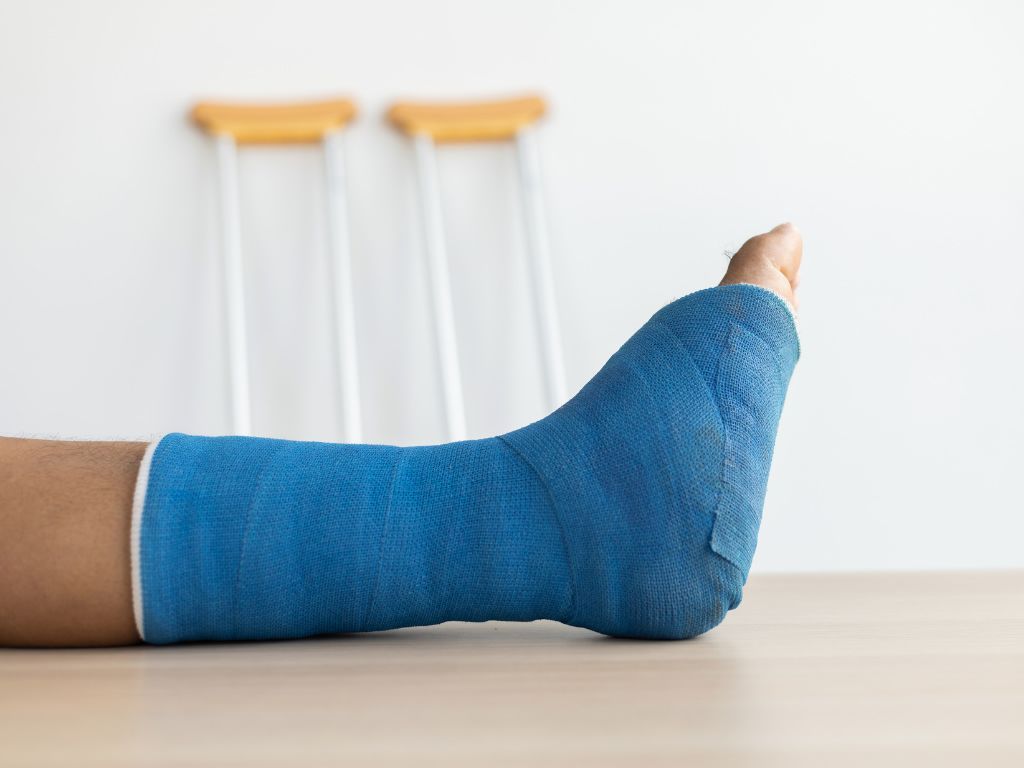
NHS emergency departments treat more than 1.1 million people each year for a broken bone or dislocation. Patients with relatively straightforward fractures, where the bones remain in a good position and do not require surgery, are typically discharged with a cast, brace, or sling. Most patients are then asked to return to the hospital for follow-up appointments to check their recovery, with some also receiving physiotherapy.
However, it is not clear whether these routine hospital visits are necessary for all patients to achieve a good recovery. Answering this question is important both for patients, who may face additional travel and time away from work or family responsibilities, and for NHS services under increasing pressure.
Funded by the National Institute for Health and Care Research (NIHR), the new £3.9 million FASTER trial is being led by David Keene, Senior Research Fellow at Lincoln and Kadoorie Professor of Trauma Rehabilitation (NDORMS) and Matthew Costa, Professor of Orthopaedic Trauma Surgery (NDORMS).
Dave said: ‘We’re grateful to the NIHR for funding this important study. We want to find out whether people can recover just as well by managing their injury more independently, provided they have the right information, rehabilitation advice and a clear route back to their clinical team if they need help.’
Matt added: ‘If self-directed care is shown to be as safe and effective as routine hospital follow-up, the findings could inform future NHS guidance and help services decide which patients genuinely benefit from returning to fracture clinic’.
The FASTER study will recruit 3376 patients who have fractures around the shoulder, elbow, ankle and foot that are well-aligned and do not need surgery. Participants will be randomly placed into one of two groups; one having the usual follow-up appointments at the hospital, the other receiving advice and rehabilitation guidance how to manage their own injury.
The researchers will follow up at 6 weeks, 3 months and 6 months to ask about patients’ level of pain, movement, general health and any complications.
Patients have played an important role in the design of the study. People with lived experience of fracture care have worked together with doctors, nurses and therapists to shape the trial. They will continue to be involved throughout the study, helping the researchers to interpret the findings and communicate the results to patients and the wider public.
Originally published on the NDORMS website. Republished with kind permission.